


Symptoms of Hypothyroidism: A Comprehensive Guide for Thyroid Awareness Week Symptoms of hypothyroidism affect energy, weight, mood, and overall health. Learn about causes, diagnosis, treatment options, and modern thyroid testing methods. Thyroid Awareness Week is an important opportunity to increase public and professional understanding of thyroid disorders, particularly hypothyroidism, one of the most common endocrine […]
Symptoms of Hypothyroidism: A Comprehensive Guide for Thyroid Awareness Week
Symptoms of hypothyroidism affect energy, weight, mood, and overall health. Learn about causes, diagnosis, treatment options, and modern thyroid testing methods.
Thyroid Awareness Week is an important opportunity to increase public and professional understanding of thyroid disorders, particularly hypothyroidism, one of the most common endocrine conditions worldwide. Hypothyroidism develops gradually and may remain undiagnosed for long periods, significantly affecting quality of life if left untreated.
This article provides a detailed overview of hypothyroidism, including its symptoms, causes, diagnostic approaches, treatment options, and the growing role of molecular diagnostics in thyroid diseases.
What Is Hypothyroidism?
Hypothyroidism is a clinical condition in which the thyroid gland fails to produce sufficient amounts of thyroid hormones, primarily thyroxine (T4) and triiodothyronine (T3). These hormones regulate metabolism, cardiovascular function, thermoregulation, and neurological activity. Reduced thyroid hormone levels result in a generalized slowing of physiological processes.

Common Symptoms of Hypothyroidism
The symptoms of hypothyroidism are often nonspecific and develop slowly, which makes early recognition challenging. Many patients initially attribute their symptoms to stress, aging, or lifestyle factors.
General Symptoms
- Persistent fatigue and decreased energy levels
- Unexplained weight gain
- Cold intolerance
- Constipation
- Dry, coarse skin
- Hair thinning or hair loss
- Depression and cognitive slowing
- Bradycardia
These manifestations are characteristic of hypothyroidism and reflect reduced metabolic activity.
Symptoms of Hypothyroidism in Women
Hypothyroidism is more prevalent in women and may present with additional symptoms:
- Menstrual irregularities
- Infertility or subfertility
- Pregnancy complications
- Exacerbation of menopausal symptoms

Symptoms of Hypothyroidism in Men
- Reduced libido
- Muscle weakness
- Decreased exercise tolerance
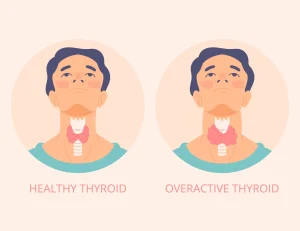
Hypothyroidism in Children and Adolescents
In pediatric populations, hypothyroidism may impair growth and neurodevelopment, leading to delayed puberty and learning difficulties.
Causes of Hypothyroidism
Autoimmune Thyroiditis (Hashimoto’s Disease)
The most common cause of hypothyroidism is autoimmune destruction of thyroid tissue.
Iodine Deficiency
Iodine deficiency remains a global cause of hypothyroidism, particularly in regions without adequate iodine supplementation.
Iatrogenic Causes
Thyroid surgery, radioactive iodine therapy, or certain medications may result in permanent hypothyroidism.
Diagnosis of Hypothyroidism
Diagnosis of hypothyroidism relies primarily on laboratory testing:
- Elevated Thyroid-Stimulating Hormone (TSH)
- Reduced Free T4 levels
- Presence of thyroid autoantibodies
Interpretation of results must consider clinical context and patient-specific factors.
Treatment of Hypothyroidism
The standard treatment for hypothyroidism is hormone replacement therapy using levothyroxine. When appropriately dosed, treatment is safe, effective, and restores normal metabolic function in most patients.
Monitoring and Long-Term Management
- Regular TSH monitoring
- Individualized dose adjustment
- Attention to drug interactions

Hypothyroidism, Weight Gain, and Hair Loss
Weight gain and hair loss are among the most frequently searched concerns related to hypothyroidism. While hormone replacement improves these symptoms in many patients, recovery may be gradual and multifactorial.
The Role of Molecular Diagnostics in Thyroid Disease
Beyond functional disorders such as hypothyroidism, thyroid nodules and neoplasms present diagnostic challenges. Molecular testing has become an important adjunct in evaluating indeterminate thyroid lesions.
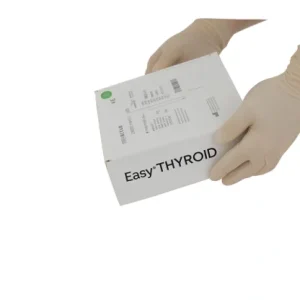
Easy® THYROID Kit: Molecular Detection of RAS and BRAF Mutations
The Easy® THYROID kit, developed by Diatech Pharmacogenetics (Italy), is a Real-Time PCR–based molecular assay designed for the rapid and accurate detection of key mutations in thyroid tumors.
The assay identifies clinically relevant mutations in:
Key Features
- Real-Time PCR with internal control
- Turnaround time of approximately 2 hours
- High sensitivity for low-frequency mutations
- Compatible with FFPE, fresh/frozen, and cytological samples
- CE-IVD certified
Farad Azma Rad: Exclusive Distributor in Iran
Farad Azma Rad is the exclusive Iranian distributor of Diatech Pharmacogenetics molecular diagnostic kits, including Easy® THYROID. The company provides advanced molecular solutions, technical support, and diagnostic tools to pathology laboratories across the country.
Conclusion
Hypothyroidism is a prevalent but manageable condition. Early recognition of symptoms, accurate diagnosis, and appropriate treatment significantly improve patient outcomes. In parallel, molecular diagnostic technologies play an increasingly important role in comprehensive thyroid disease management. During Thyroid Awareness Week, increasing knowledge about hypothyroidism and modern diagnostic approaches remains essential.
Medical Disclaimer
This content is intended for educational purposes only and does not replace professional medical advice.