
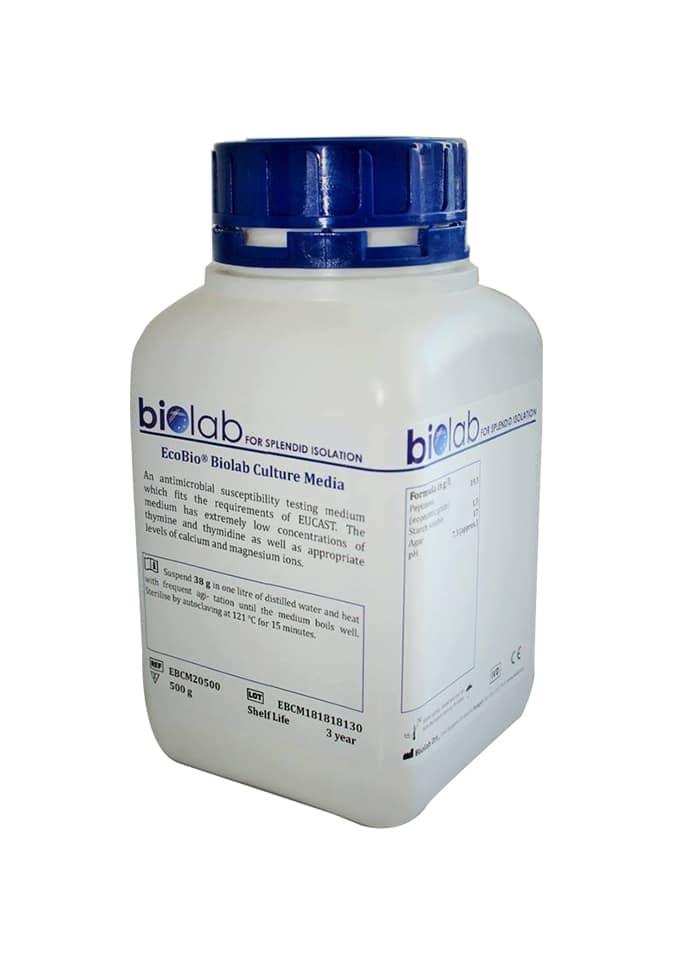
Triple Sugar Iron (TSI) Agar – BioLab
Triple Sugar Iron (TSI) Agar is a biochemical, semi-solid differential medium used for the identification and differentiation of Gram-negative enteric bacteria, especially those belonging to the Enterobacteriaceae family. This product is manufactured by BioLab and exclusively imported and distributed in Iran by Fardad Azma Rad Co.
TSI Agar is designed to detect carbohydrate fermentation, gas production, and hydrogen sulfide (H₂S) formation.
Key Features and Composition:
-
Glucose:
A simple sugar that is typically the first to be fermented by bacteria; fermentation leads to acid production and color change in the butt (bottom) of the medium. -
Sucrose and Lactose:
Additional fermentable sugars that help distinguish between organisms based on their ability to ferment one, both, or neither; acid production changes the slant color. -
Iron (Ferric Ammonium Citrate):
Serves as an indicator for H₂S production; when H₂S is produced, it reacts with iron to form black precipitates in the medium. -
Peptone and Beef Extract:
Provide nitrogen and nutrients; if proteins are utilized instead of sugars, the medium becomes alkaline, especially on the slant. -
Agar:
Acts as the solidifying agent, allowing for the observation of both aerobic and anaerobic metabolic reactions within the same tube.

There are no reviews yet.